
Looking For Blogs About Breast Cancer? Here's Mine, Unfiltered and on YouTube
Looking For Blogs About Breast Cancer? Here's Mine, Unfiltered and on YouTube
I went looking for stories and blogs about breast cancer when I was first diagnosed, and I didn’t find much that felt honest, unfiltered, or written by someone still in it rather than looking back from a distance. I get it, once you’re through it, it’s hard to talk about treatment.
So I decided to write mine, and film it too.
This is a personal blog and video series about living with metastatic breast cancer, told the way I lived it in real time, not polished up afterward. If you’ve been diagnosed, love someone who has, or you’re looking for real breast cancer stories and support, you’ll find the parts people usually skip: the early signs, the diagnosis, the waiting, treatment decisions, insurance and self-advocacy, chemo and surgery, the mental side of it, breast cancer research, and what daily life looks like after cancer.
I was diagnosed with breast cancer at 45.
I'm 48 now. For most of my career, I've worked in marketing and health coaching, telling other people what to prioritize, how to build something real, how to put themselves first. It took this breast cancer diagnosis to make me do that for myself.
This is the first post in an ongoing series, I'll be sharing more as I go, not all at once. And to be clear: this is my personal experience, not medical advice. Please talk to your own doctor about anything specific to your situation.
My Breast Cancer Diagnosis: The Signs I Almost Missed
A lump that wasn't there before. Popped up after a downward dog position in hot yoga. 24 Hours later, sore, swollen, right where I always check, which is why breast self-exams matter so much for early detection.
I'd been pushing through yoga, dealing with what I thought was menopause, chalking a lot of it up to being 45 and tired. A mammogram turned into an ultrasound, and an ultrasound turned into "we need to run more tests."
In the US, about 1 in 8 women will be diagnosed with breast cancer in her lifetime, but only about 10% of cases happen in women 45 and younger. genetics can matter too: BRCA1 and BRCA2 mutations can increase risk by 80%. At 45, it still felt earlier than I expected, and I think a lot of women are caught off guard that way.
Telling My Breast Cancer Diagnosis Story, In Real Time
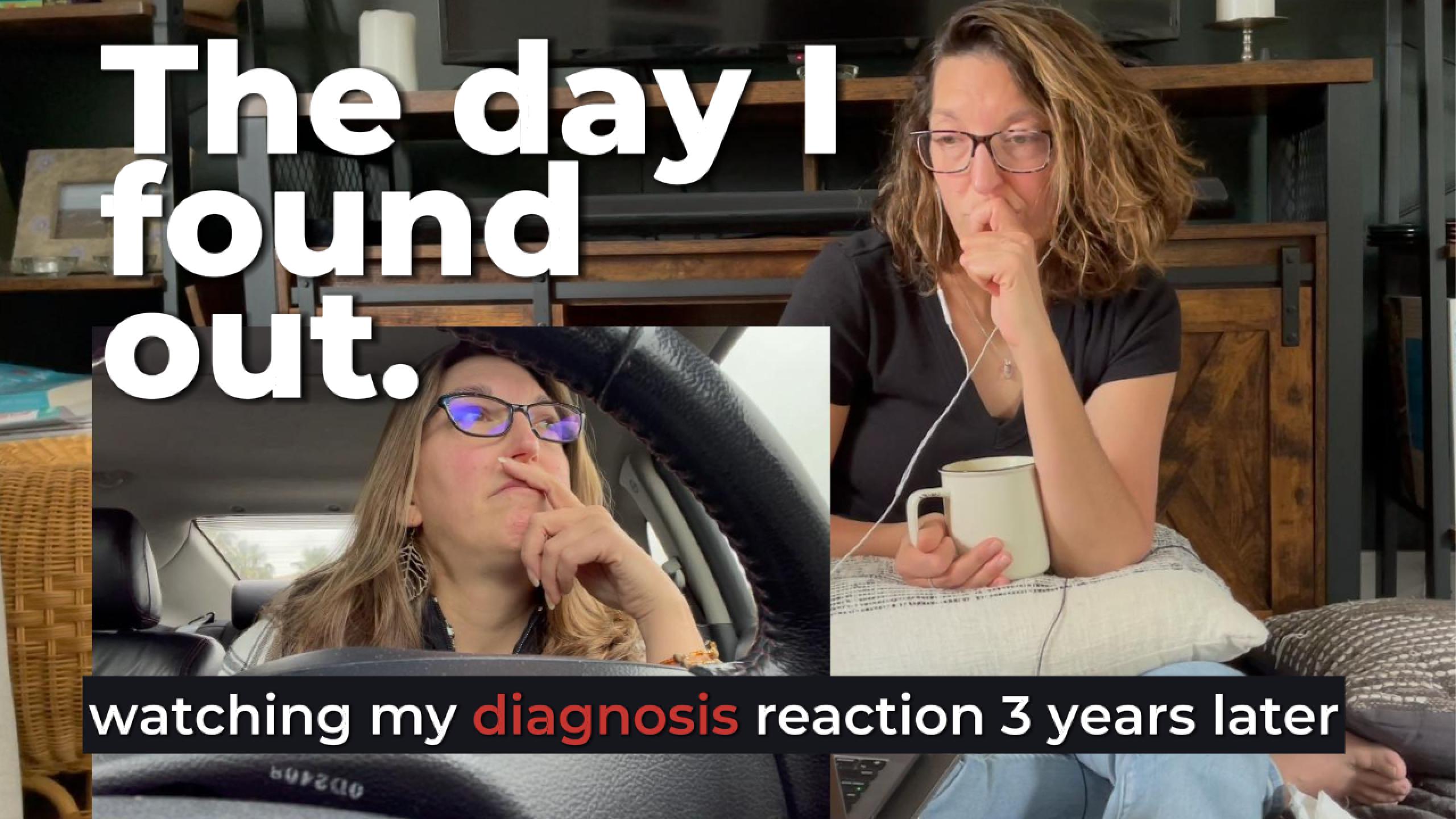
The first video on my channel explains why Youtube and why now, unscripted, exactly as it came out the first time I hit record. The second video is heavier. It's me watching my video journal footage, recorded the day I drove to get my test results, before I even knew what breast cancer meant for my life, or the anxiety of waiting to hear what those results meant for my life. I hadn't touched that footage since I recorded it.
Watching it back brought up things I couldn't access the first time around, the bad news, the waiting, the fight I didn't know yet I was about to be in.
Breast Cancer Patients Navigating Insurance and Advocating for Care
Getting answers wasn't simple. I hit insurance hurdles, a high deductible plan, and had practical concerns about what to ask doctors and how to keep track of appointments, especially when you're staring down a biopsy for the first time. I learned to advocate for myself in real time, and I'd rather share what that actually looked like than pretend it was smooth.
Breast Cancer Treatment: Chemotherapy, Surgery, and What Helped
I learned a lot going through breast cancer treatment, or chemo, surgery, radiation, immunotherapy and reconstructive surgery, things about side effects, hair regrowth, and how food, real food, became the thing that helped me feel like myself again during the hardest parts of it.
Staying healthy sometimes meant paying attention to food and recovery in small, realistic ways, and finding simple ways to treat my body with care during treatment. I also learned things I wasn't expecting, like navigating a menopause that got tangled up with everything else going on in my body at the same time.
Mental Health after Being Diagnosed with Breast Cancer
I told my family and friends close to me to stop sending fear and pity my way. I wanted love, support, and normal conversation, not constant check-ins rooted in worry. I leaned hard into a mindset of healing and manifesting good outcomes, because the alternative, sitting in fear, never felt like it served me.
That doesn't mean I wasn't scared. It means I got to choose what I let in.
Compassion focused therapy and meditation can really help emotionally during treatment, especially when you feel ill-equipped for what's coming
Finding the Right Care: My Move to Mayo Clinic Because of their Breast Cancer Research
Early on, I was seeing a doctor I still call "Dr. Blah Blah" in my videos, mostly because I don't remember his actual name and it's become a running joke. But once the diagnosis hit, I made the decision to leave that practice and go to Mayo Clinic in Jacksonville, one of the top cancer research facilities in the country.
There, I finally sat across from leaders in clinical oncology who took the time to thoroughly look at my case, not just my chart. They looked at my immune system, my full history, and my nutrition, not just the tumor.
That's where my real education in breast cancer research began, and educating myself well enough to ask better questions, understanding what triple-negative and HER2-positive meant for someone like me, and what current breast cancer research says about treating a case like mine. Breastcancer.org is a widely respected educational resource for patients and caregivers. Susan G. Komen also offers educational guides and patient navigation services.
Triple-Negative Breast Cancer, HER2-Positive, and What's Coming in My Breast Cancer YouTube Videos and This Blog
This is just the beginning of the story. In future posts and videos, I'll go deeper into what triple-negative and HER2-positive actually meant for my treatment plan, including how Triple-Negative Breast Cancer has different treatments than other breast cancers, the bilateral mastectomy and reconstructive surgery, and what chemotherapy and surgery actually looked like week to week, not the textbook version, the real one. Metastatic breast cancer spreads beyond the breast to other ares such as lymph node or organs. Some resources are tailored specifically to people with metastatic breast cancer.
My hope is that my story gives you someone relatable to look at, and connect with, with a more focused aim of helping you understand the path ahead, not a clinical case study, but a real person who went through it and can tell you honestly what it was like.
Why I'm Sharing My Metastatic Breast Cancer Personal Stories With the Breast Cancer Community
I don't want to be the cancer coach. But I do want to be part of the personal stories that exist for anyone searching for a real breast cancer community, the kind with incredible support, not polished advice, because this is a longer journey and part of survival is learning how to keep functioning through it.
If you're navigating something similar, or you love someone who is, I hope something here helps. Many people find value in moderated online forums for community support. SurvivingBreastCancer.org offers weekly virtual support groups and educational webinars. I found myself back on Susan G. Komen's site more than once, especially early on when I needed the parts of this I couldn't figure out just from talking to my doctor.
Eat. Dream. Do. That's the through-line of everything I do now. Food first, so you can do the rest.
Watch the full story here: Health Coach Kel on YouTube
Daily Life After Cancer
And if you're just here for the sourdough and the cooking, that's here too, alongside the real progress research and medicine has made. Food and medicine go hand in hand in my personal experience of this journey.
Every other video from here on out alternates between the two, because for me, they're not separate stories.


